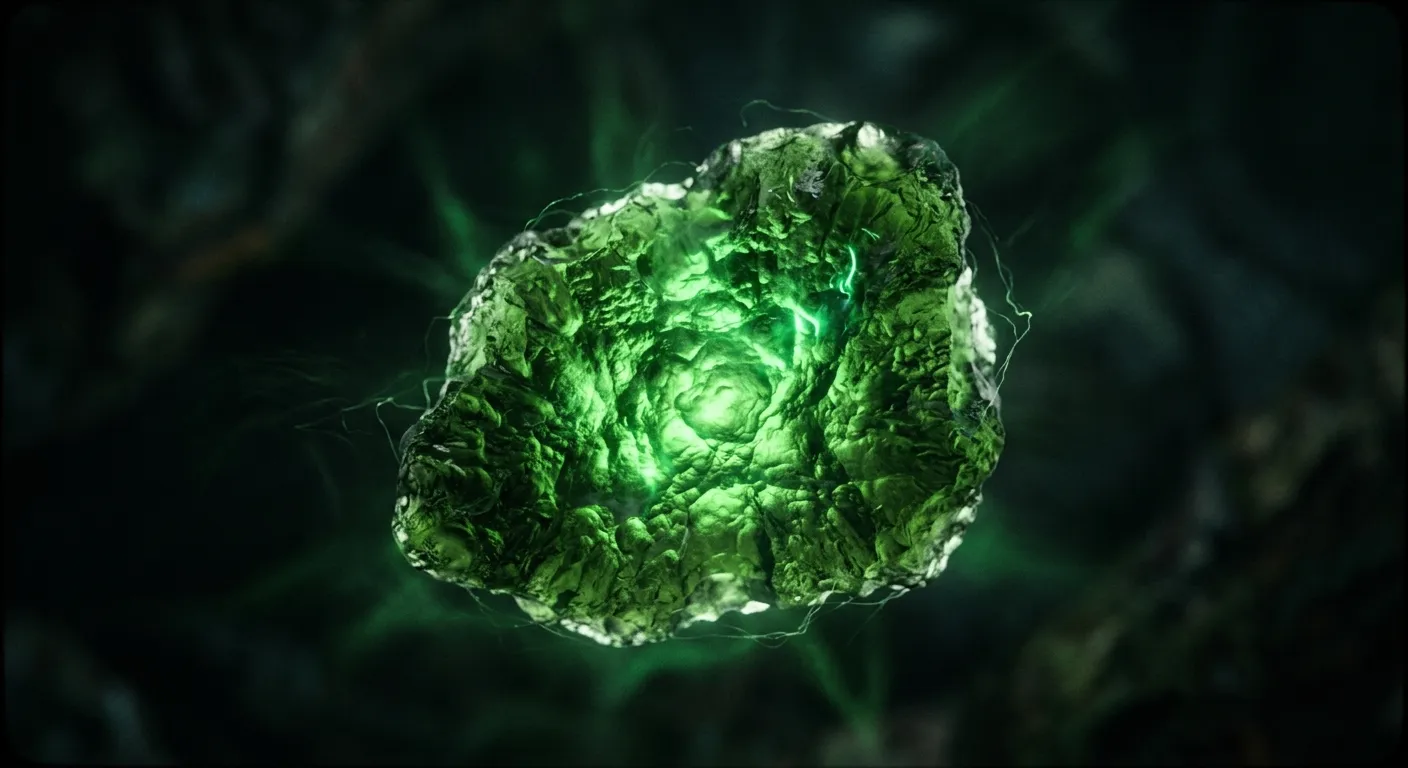
Step 1: Authenticate the Payload Before Engagement
Before attempting to integrate this material, you must verify you are not handling chemically treated glass manufactured overseas. The current market features an influx of synthetic replicas engineered to mimic the exact surface texture of authentic tektite.
Action: Transport your specimen into a completely unlit room. Activate a high-lumen tactical flashlight or your device's built-in light. Hold it up to a light so the beam projects directly through the center of the stone. Grip your magnification tool firmly.
You must look at the bubbles inside the internal structure. Authentic Moldavite typically displays asymmetrical, elongated, or stretched gas pockets, which experts attribute to the aerodynamic drag experienced during its rapid cooling phase.
If the internal pockets are perfectly spherical, or if the interior presents as flawless manufactured glass, abort the process immediately. You are holding a synthetic replica.
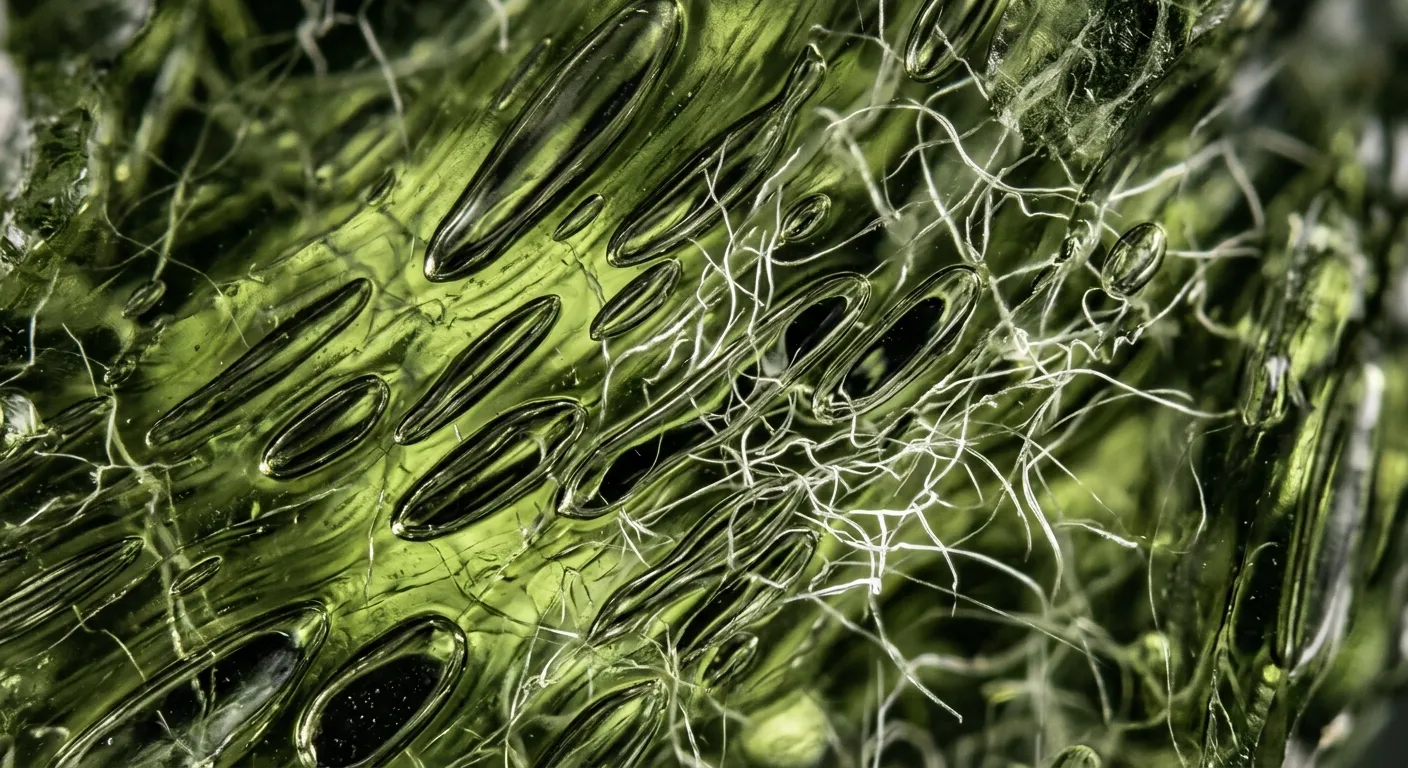
Pro Tip: Scan for microscopic, wire-like white threads embedded inside the stone. Mineralogists identify these as lechatelierite inclusions (fused quartz). Counterfeit operations currently struggle to replicate this specific anomaly under extreme magnification.
If X happens, do Y: If you observe that your stone is perfectly transparent with zero internal pockets or inclusions, do not attempt to integrate it. It is a synthetic product. Secure it in a box, initiate a return process with your supplier, and source a verified specimen from a distributor established prior to the recent market surge.